
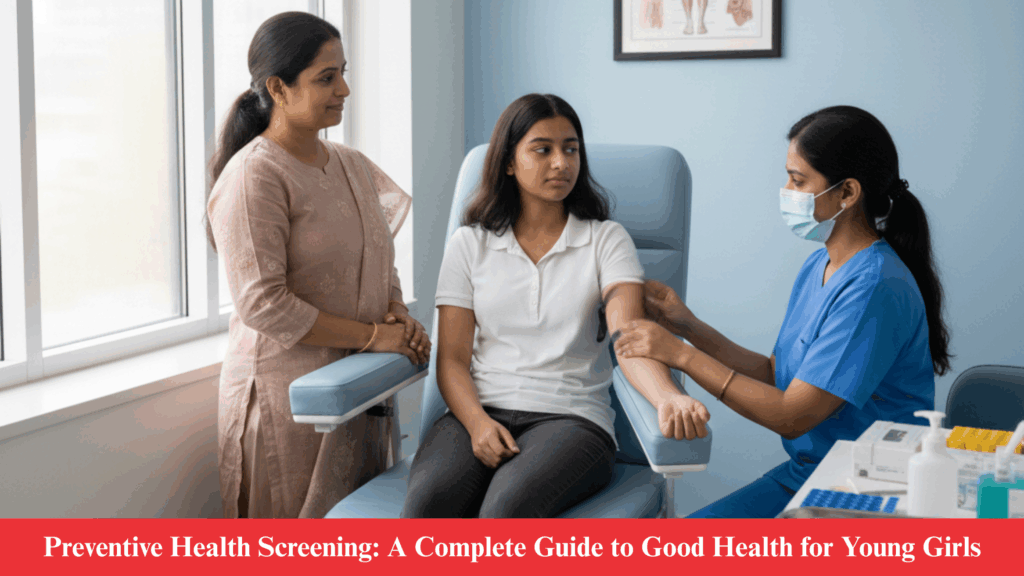
Health in early screening phases establishes growth patterns and brain development, as well as overall development and future reproductive health. Anemia, vitamin deficiencies, underactive thyroid, or infections may start to develop silently in young girls; by the time they are finally diagnosed, it may be too late.
The required preventive health screening tests provide a means to address any concerns before they negatively impact growth, development of cognitive skills, and ultimately quality of life. The purpose of this guide is to provide a complete list of the needed and necessary health screening tests to guarantee a healthy young girl. The role that health screening plays in good health for young girls: Multiple physical, hormonal, and emotional changes occur during the growth and development stages in young girls. Most of these changes are common, but there are issues that need to be treated early, including nutritional deficiencies, lifestyle changes, and other issues. Regularly scheduled health screenings enable: – Early identification of Nutritional Deficiencies – Monitoring of development and Growth – Prevention of long-term complications – Promotion of a strong immune response to infections – Successful passage through adolescence
Essential Tests for General Well-Being in Young Girls
1. Complete Blood Count (CBC)
CBC is one of the most important baseline tests for young girls for health screening.
What it detects:
- Anemia (low hemoglobin)
- Infections
- Overall immune status
Why it matters:
Iron deficiency anemia is very common in young and growing girls and can cause fatigue, weakness, poor concentration, and delayed growth if left untreated.
2. Iron Profile / Serum Ferritin
This test measures the body’s iron stores.
Recommended when:
- Child looks pale or fatigued
- Poor appetite
- During early puberty
- During growth spurts or after onset of menstruation
Benefits:
Early detection prevents anemia-related complications and supports better energy levels and cognitive development.
3. Vitamin D Test
Vitamin D is essential for assessing bone health and immunity.
Deficiency can lead to:
- Weak bones
- Bone pain
- Frequent infections
- Poor growth
With limited sun exposure and indoor lifestyles, vitamin D deficiency is increasingly common among children.
4. Vitamin B12 Test
crucial for nerve health, red blood cell production, and DNA,
- with common symptoms including
- fatigue,
- weakness, or
- neurological issues like tingling;
Doctors order it based on symptoms or diet, using serum tests and sometimes MMA (methylmalonic acid) tests for clearer deficiency indicators, especially with normal B12 but concerning symptoms.
5. Blood Sugar Test (Fasting or Random)
Monitoring and managing a child’s blood sugar is vital because glucose is their main energy source, and imbalances (too high or too low) affect growth and development and can lead to serious short-term issues like diabetic ketoacidosis (DKA) or long-term complications like heart/kidney disease, while keeping levels stable prevents these problems and empowers children to manage their diabetes effectively.
Recommended for:
- Children with obesity
- Family history of diabetes
- Sedentary lifestyle
Early detection allows lifestyle correction before disease onset.
Growth & Development Monitoring Tests
6. Growth Assessment (Height, Weight, BMI)
Regular monitoring of height, weight, and BMI ensures that the child is growing appropriately for her age.
Helps identify:
- Under-nutrition
- Overweight or obesity
- Growth delays
Growth assessment should ideally be done annually.
7. Calcium & Phosphorus (If Advised)
These minerals are essential for strong bones and teeth.
Recommended when:
- Poor dietary intake
- Delayed growth
- Bone pain or muscle weakness
Infection & Immunity Screening
8. Urine Routine Examination
A simple urine test can detect:
- Urinary tract infections (UTIs)
- Protein loss
- Dehydration
UTIs in young girls are often silent but can cause complications if untreated.
9. Stool Examination (Periodic)
This test screens for:
- Intestinal worm infestation
- Digestive issues
- Malabsorption
Worm infections can cause anemia, weight loss, and poor nutrient absorption.
10. ESR/CRP (If Recurrent Illness)
These inflammation markers are useful if the child has:
- Frequent infections
- Unexplained fever
- Chronic tiredness
They help detect hidden inflammation or infection.
Hormonal & Puberty-Related Tests (Adolescents)
11. Thyroid Profile (TSH ± T3, T4)
Thyroid disorders can affect growth, weight, mood, and menstrual health.
Symptoms that may need testing:
- Sudden weight gain or loss
- Fatigue
- Poor growth
- Irregular periods
Early diagnosis ensures normal physical and mental development.
12. Hemoglobin & Ferritin (Around Menarche)
With the onset of menstruation, iron requirements increase.
Regular screening helps prevent:
- Menstrual anemia
- Fatigue and weakness
- Academic performance issues
Special Condition–Based Screening (Only if Indicated)
These tests are advised only when symptoms or family history suggest risk:
- Food Allergy or Food Intolerance Tests/IBD – recurrent abdominal pain, rashes, bloating
- Celiac Disease Screening – poor growth, chronic diarrhea
- Lipid Profile – obesity or family history of heart disease
Recommended Annual Preventive Health Panel for Young Girls
A basic yearly health check may include:
- Complete Blood Count
- Iron studies
- Vitamin D & B12
- Urine routine examination
- Growth assessment
Healthy girls grow into healthy women.
Preventive healthcare testing empowers parents to protect their daughters from hidden deficiencies and health risks. Early detection, timely intervention, and proper nutrition ensure strong immunity, better learning ability, and overall well-being.
Regular screening is not about illness—it’s about prevention, protection, and a healthier future. Get tested with Atulaya Healthcare.
by Archana Sharma